
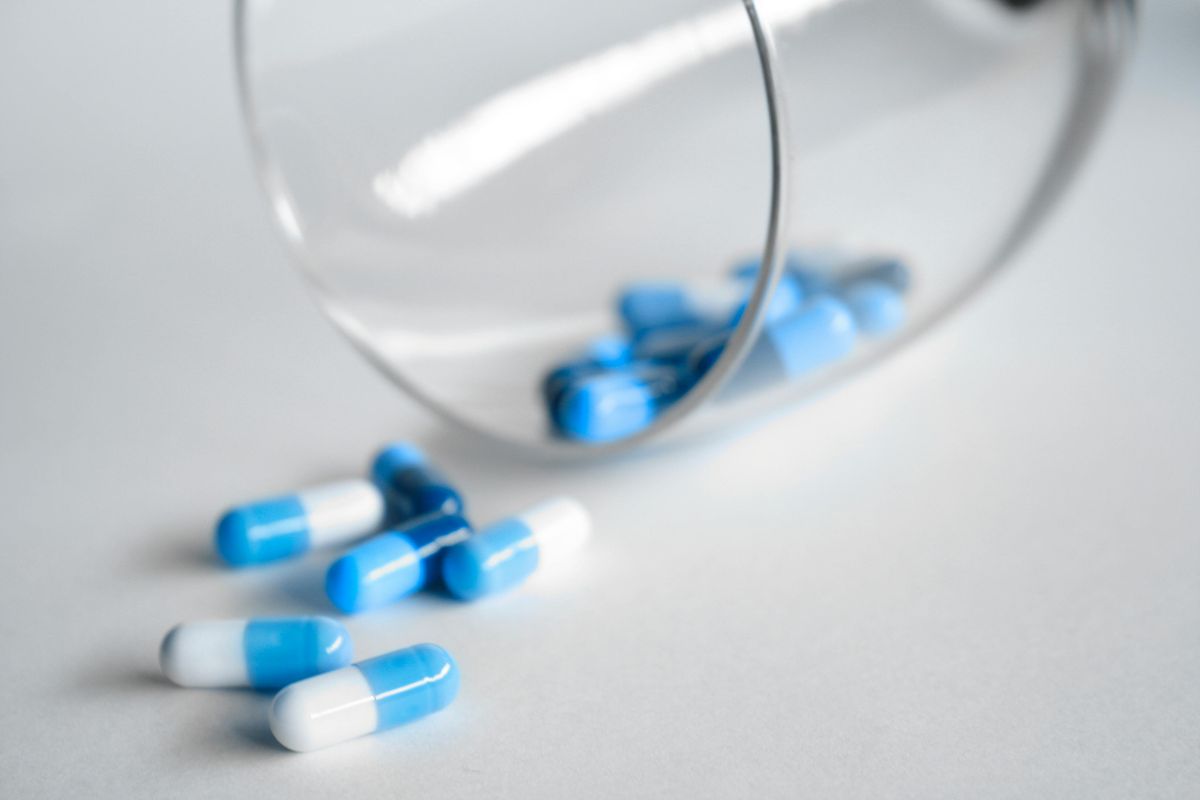
How combining GS-441524 and EIDD-1931 in a single oral capsule delivers stronger virus suppression, prevents drug resistance, and gives your cat a better chance of full recovery from Feline Infectious Peritonitis (FIP).
What Malaysian Cat Owners Need to Know
If your cat has been diagnosed with Feline Infectious Peritonitis (FIP), you are not alone, and there is real hope. Since 2019, the antiviral drug GS-441524 has transformed Feline Infectious Peritonitis (FIP) from a fatal diagnosis into a treatable disease. Tens of thousands of cats around the world have recovered, with success rates of approximately 92% when the full 84-day treatment protocol is followed consistently.
But antiviral science continues to advance. In human medicine, treating serious viral infections with a single drug has largely been replaced by combination therapy. HIV, hepatitis C, and COVID-19 are all treated with multiple antivirals that work through different mechanisms. The reason is straightforward: when you attack a virus from two different angles at the same time, it becomes much harder for the virus to survive, adapt, or develop resistance during treatment.
That same proven principle now applies to Feline Infectious Peritonitis (FIP) treatment. CURE FIP™ Dual Antiviral Oral Capsules combine GS-441524 and EIDD-1931 in a single oral capsule, delivering dual-mechanism protection against the Feline Infectious Peritonitis (FIP) virus. Here is why this matters for your cat.
How the Two Antivirals Work Together
GS-441524 and EIDD-1931 both target viral replication, but they do so through completely different mechanisms.
GS-441524 acts as a stop signal during viral replication. When the Feline Infectious Peritonitis (FIP) virus attempts to copy its genetic material, GS-441524 gets built into the growing RNA strand and halts the process entirely. The virus simply cannot produce new copies of itself. This mechanism, known as chain termination, has been the foundation of Feline Infectious Peritonitis (FIP) treatment since 2019.
The clinical evidence behind GS-441524 is extensive. The landmark 2019 field trial at UC Davis treated 31 cats with naturally occurring Feline Infectious Peritonitis (FIP), with 24 of the 26 cats that completed treatment achieving sustained remission. Fever typically resolved within 12 to 36 hours, and abdominal effusions cleared within 10 to 14 days. A 2025 systematic review analyzing 11 studies and 650 Feline Infectious Peritonitis (FIP) cases reported an overall treatment success rate of 84.6%, with higher success when GS-441524 was combined with other antivirals. A large retrospective study of 307 cats treated in Australia and the UK found 84.4% alive at the longest follow-up point.
EIDD-1931, the active form of Molnupiravir, takes a completely different approach. Instead of stopping the copying process, it introduces errors into the virus's genetic code. Each time the virus tries to replicate, these errors accumulate until the viral genome becomes nonfunctional. The virus essentially destroys itself through its own defective copies. This process is called lethal mutagenesis.
Clinical data on EIDD-1931 continues to grow. A Japanese comparative study of 118 cats showed that molnupiravir and GS-441524 achieved equivalent remission rates: 48 of 48 GS-441524 completers and 51 of 52 molnupiravir completers reached remission. An Ohio State University study confirmed molnupiravir as an effective rescue therapy, with 24 of 26 cats remaining disease-free after GS-441524 treatment had failed.
When used together, GS-441524 directly stops viral replication while EIDD-1931 corrupts whatever copies still manage to form. The result is a comprehensive dual attack that is significantly more effective than either drug on its own.
Why Two Antivirals Are Better Than One
One of the most important reasons to combine antivirals is preventing drug resistance. Feline Infectious Peritonitis (FIP) treatment requires 84 days of continuous daily medication. That is nearly three months during which the virus has opportunities to adapt. Under pressure from a single drug, there is always a small chance the virus could develop mutations that allow it to evade that drug's mechanism.
Using two antivirals with different mechanisms raises the bar dramatically. The virus would need to develop resistance to both drugs simultaneously, which is statistically far less likely. This is the same principle that made combination therapy so successful against HIV, hepatitis C, and COVID-19 in human medicine.
Published research supports this approach in Feline Infectious Peritonitis (FIP) as well. A study of 46 cats treated with a combination of GS-441524 and another antiviral (GC376) achieved a 97.8% survival rate in just four weeks of treatment, with no relapses observed at 10 months. In neurological Feline Infectious Peritonitis (FIP) cases, where treatment is most difficult, combination therapy consistently produced better outcomes than single-drug treatment across a review of 650 cases. All 10 neurological cases treated with GS-441524 plus Remdesivir survived.
For your cat, this means dual antiviral therapy with GS-441524 and EIDD-1931 significantly reduces the chance that the virus can find an escape pathway during treatment.
Lower Individual Doses, Less Burden on Your Cat
When two complementary drugs work together, their combined antiviral effect is greater than either drug alone at the same dose. This means the dual capsule can deliver strong antiviral action while keeping the dose of each individual drug lower than would be needed in single-drug therapy.
Over nearly three months of daily treatment, this matters. Lower individual drug exposure helps reduce the cumulative burden on your cat's body while maintaining the antiviral pressure needed to clear the virus. During treatment, supporting your cat's liver health and providing proper nutrition are also important for recovery.
When Dual Therapy Matters Most
Dual antiviral capsules offer advantages across all Feline Infectious Peritonitis (FIP) presentations. But the combination approach is especially valuable in certain situations:
Neurological Feline Infectious Peritonitis (FIP). This is the most challenging form to treat because the virus has crossed the blood-brain barrier. Research shows that GS-441524 only reaches 7-21% of blood levels in the cerebrospinal fluid. A second antiviral mechanism helps compensate for this limited penetration and provides the additional suppression needed in these critical cases.
Incomplete remission. Some cats improve on GS-441524 alone but do not achieve full recovery within the expected timeframe. Adding a second antiviral mechanism can provide the additional pressure needed for complete remission.
Relapse prevention. Cats at higher risk of Feline Infectious Peritonitis (FIP) recurrence benefit from dual therapy. By attacking the virus from two angles, the chance of residual viral activity surviving to cause a relapse is reduced.
Calicivirus co-infection. EIDD-1931 also has activity against feline calicivirus (FCV), making the dual capsule a practical choice for cats dealing with both conditions at the same time.
One Capsule, Simpler Treatment
Beyond the medical advantages, the dual capsule format makes daily life easier during treatment. Instead of managing two separate medications with different schedules, CURE FIP™ Dual Antiviral Oral Capsules combine both antivirals in a single capsule. One administration per day.
Consistent daily dosing is one of the most important factors in successful Feline Infectious Peritonitis (FIP) treatment. Managing your cat's stress during treatment and maintaining a calm routine helps ensure your cat receives every dose on schedule. A clinical trial at LMU Munich confirmed that oral GS-441524 capsules delivered rapid clinical improvement in 38 of 40 cats with effusive Feline Infectious Peritonitis (FIP), with viral loads dropping significantly during treatment. The simpler your treatment routine, the easier it is to stay consistent, and the better the outcomes.
What This Means for Your Cat
If your cat has been diagnosed with Feline Infectious Peritonitis (FIP), the most important step is to start treatment promptly and maintain it consistently for the full 84 days. GS-441524 alone has an excellent track record, and thousands of cats owe their lives to it.
Dual antiviral therapy builds on that proven foundation by adding a second layer of protection. Stronger viral suppression. Higher barrier to resistance. A more balanced dosing approach. All in a single capsule.
Feline Infectious Peritonitis (FIP) is no longer the end of the road. With the right treatment, started early and followed through consistently, recovery is the expected outcome.
To learn more about CURE FIP™ Dual Antiviral Oral Capsules or to consult about your cat's treatment plan, visit basmifip.com or reach the BasmiFIP Malaysia team on WhatsApp.
Free consultations available. Because when every day matters, having the right support makes all the difference.