
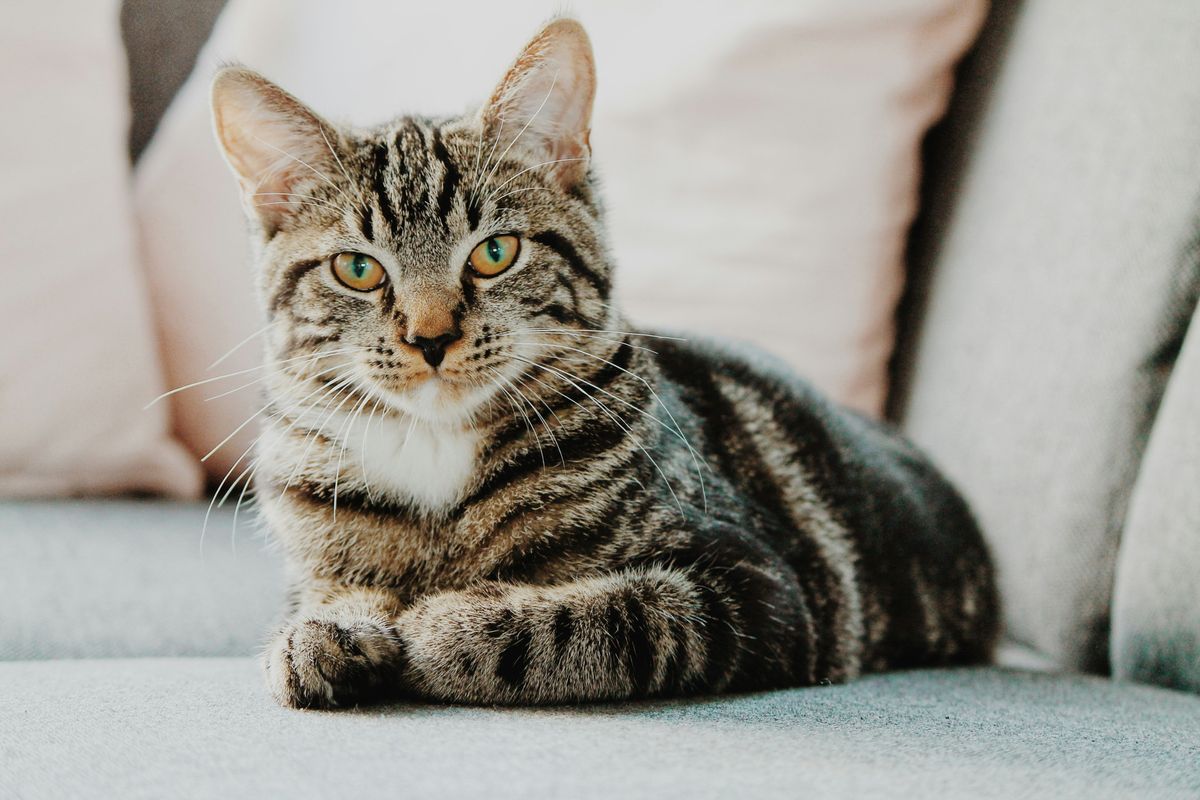
Key takeaway: Feline Calicivirus (FCV) is a virus, so the treatment that targets the virus itself is antiviral therapy, not antibiotics. Mild cases are often managed with supportive home care and your veterinarian's guidance, but when mouth ulcers, gingivitis, or stomatitis become painful, persistent, or severe, a veterinarian-prescribed antiviral such as CaliciX or CaliciX Max may become part of the plan. Everything starts with the right diagnosis from your veterinarian.
If your cat has stopped eating, is drooling, or has painful sores in the mouth, you are not alone, and there is a clear path forward. This guide will help you understand Feline Calicivirus (FCV), spot the warning signs early, and know when antiviral medication becomes necessary. We will walk through it together, step by step, alongside your veterinarian.
What Is Feline Calicivirus (FCV) in Cats?
Feline Calicivirus (FCV) is a common and highly contagious virus that mainly affects a cat's mouth and upper respiratory tract. It is one of the leading causes of oral disease in cats, including gingivitis, stomatitis, and mouth ulcers.
FCV spreads easily between cats through saliva, sneezes, shared bowls, and close contact. This is why it is so common in multi-cat homes, shelters, and rescue situations across Malaysia.
Because FCV is a virus, it behaves differently from a simple bacterial infection. The virus itself needs a targeted approach, and understanding this is the first step to helping your cat feel better.
What Are the Symptoms of Feline Calicivirus (FCV)?
The most common signs of Feline Calicivirus (FCV) are mouth ulcers, drooling, bad breath, red or swollen gums, and reluctance to eat. Many cats also show sneezing, nasal discharge, or watery eyes, since FCV affects the upper respiratory tract too.
Here are the signs Pawrents most often notice:
- Ulcers or sores on the tongue, gums, or roof of the mouth
- Drooling, sometimes with a strong or foul odour
- Pawing at the mouth or turning away from food
- Red, swollen, and painful gums (gingivitis)
- Inflammation deep in the mouth (stomatitis)
- Sneezing, runny nose, and watery eyes
- Low energy, hiding, or a drop in weight
Some cats carry FCV with only mild signs. Others develop painful, ongoing mouth disease that makes eating difficult. Watching your cat closely and acting early makes a real difference.
How Is Feline Calicivirus (FCV) Diagnosed?
Feline Calicivirus (FCV) is diagnosed by your veterinarian through a physical examination, a review of your cat's history, and sometimes laboratory tests. There is no single at-home test, so a proper diagnosis always begins in the clinic.
Your veterinarian will look closely at the mouth, gums, and tongue, and check for the classic ulcers linked to FCV. They may also rule out other conditions that can look similar, so your cat gets the right care.
An accurate diagnosis matters because the mouth problems caused by FCV are treated differently from other dental or viral issues. There is a clear path forward, and it starts with knowing exactly what you are facing.
Do Antibiotics Treat Feline Calicivirus (FCV)?
Antibiotics do not treat the Feline Calicivirus (FCV) itself, because FCV is a virus and antibiotics only work against bacteria. Antibiotics may still be used to control secondary bacterial infections that appear on top of the viral disease, but they do not target the virus.
This is one of the most important things for Pawrents to understand. If your cat has been on repeated courses of antibiotics with only short-lived improvement, the underlying virus may still be active.
To target the virus, an antiviral approach is needed. This is where a veterinarian-guided antiviral plan can change the picture for cats with more stubborn or severe FCV.
When Does Antiviral Treatment Become Necessary for Feline Calicivirus (FCV)?
Antiviral treatment for Feline Calicivirus (FCV) becomes necessary when the disease is moderate to severe, painful, persistent, or not responding to supportive care and dental treatment alone. Your veterinarian makes this call based on how your cat is coping and how advanced the mouth disease has become.
Many families find that mild FCV settles with rest, good nutrition, hydration, and time. But some cats need more, especially when the mouth becomes so sore that they cannot eat comfortably.
Signs that antiviral treatment may be worth discussing with your veterinarian include:
- Ulcers or stomatitis that keep coming back
- Gums so inflamed that eating becomes painful
- Weight loss because your cat avoids food
- Severe stomatitis that has not improved after dental care
- FCV that lingers for weeks despite supportive care
The decision is always made with your veterinarian, based on your individual cat. No two recovery journeys look exactly the same.
What Is CaliciX, and How Does It Fit In?
CaliciX is the veterinarian-prescribed antiviral option for Feline Calicivirus (FCV), designed to target the virus rather than just the secondary bacteria. It comes in two forms, CaliciX for mild to moderate FCV and CaliciX Max for severe or refractory cases, so your veterinarian can match the option to your cat's needs.
CaliciX is intended for cats with gingivitis, stomatitis, and mouth ulcers linked to FCV. CaliciX Max is intended for more difficult situations, such as severe feline chronic gingivostomatitis, caudal stomatitis, ulcerative stomatitis that has not responded to extractions, and larger cats or those with a high viral load.
The right choice, and the way it is used, is always decided by your veterinarian after examining your cat. Below is a simple comparison to help you understand where each one fits.
| Option | Best for | Who decides |
|---|---|---|
| CaliciX | Mild to moderate FCV: gingivitis, stomatitis, mouth ulcers | Your veterinarian |
| CaliciX Max | Severe or refractory FCV: severe FCGS, caudal stomatitis, ulcerative stomatitis unresponsive to extractions, viral glossitis, larger or high-viral-load cats | Your veterinarian |
We do not list doses or schedules here on purpose. Dosing and the length of treatment depend on your cat's weight, condition, and response, and those decisions belong with your veterinarian.
A Safety Note for Breeding Cats
One important safety point: antiviral treatment for Feline Calicivirus (FCV) using this ingredient is not recommended for pregnant, nursing, or breeding cats. Always tell your veterinarian if your cat is pregnant, feeding kittens, or part of a breeding programme, so the safest plan can be chosen.
How Can You Support a Cat With Feline Calicivirus (FCV) at Home?
Supporting a cat with Feline Calicivirus (FCV) at home focuses on keeping your cat eating, hydrated, comfortable, and calm while the medical plan does its work. Good home care sits alongside your veterinarian's treatment, never in place of it.
Here are practical steps many Pawrents in Malaysia find helpful:
- Offer soft, warm, strong-smelling food to tempt a sore mouth.
- Make sure fresh water is always within easy reach.
- Keep the eyes and nose gently wiped clean of discharge.
- Reduce stress with a quiet, warm resting spot.
- Separate an infected cat from other cats where possible.
- Wash bowls, bedding, and hands often to limit spread.
- Keep every follow-up appointment with your veterinarian.
Small, steady efforts add up. A cat that keeps eating and stays hydrated is a cat that is better able to recover.
Can You Prevent Feline Calicivirus (FCV)?
You can reduce the risk of Feline Calicivirus (FCV) through routine vaccination, good hygiene, and limiting contact with unknown or sick cats. Vaccination does not always prevent infection completely, but it can lower the severity of disease, so speak with your veterinarian about the right schedule for your cat.
In multi-cat homes, simple habits help a lot. Clean shared items regularly, quarantine new arrivals, and keep bowls and litter areas hygienic.
Prevention will not remove every risk, but it stacks the odds in your cat's favour. That peace of mind is worth the effort.
Where Do Supportive Nutraceuticals Fit In?
Supportive nutraceuticals such as LiverRx and KidneyRx are adjunct organ support products, not antivirals, and they do not treat Feline Calicivirus (FCV) itself. They may be used to support liver or kidney health during a broader care plan, but only when your veterinarian recommends them.
Think of these as background support for overall wellbeing, working alongside the antiviral plan that targets the virus. They are never a replacement for veterinary-guided treatment.
If you are curious about whether organ support fits your cat's situation, raise it with your veterinarian. Every recovery journey is a little different.
FAQ: Feline Calicivirus (FCV) Treatment for Cats
Is Feline Calicivirus (FCV) treatable in cats?
Yes, Feline Calicivirus (FCV) is treatable, and many cats improve with the right combination of veterinary care, supportive home care, and, when needed, antiviral treatment. Your veterinarian will tailor the plan to how severe your cat's disease is.
Do antibiotics work against Feline Calicivirus (FCV)?
Antibiotics do not work against the Feline Calicivirus (FCV) itself, because FCV is a virus. Antibiotics only help with secondary bacterial infections, so an antiviral approach is what targets the virus directly, always under your veterinarian's guidance.
When should I ask my veterinarian about antiviral treatment for Feline Calicivirus (FCV)?
Ask your veterinarian about antiviral treatment for Feline Calicivirus (FCV) when the mouth disease is severe, painful, recurring, or not improving with supportive care and dental treatment. Signs like ongoing ulcers, refusing food, and weight loss are good reasons to have that conversation.
What is the difference between CaliciX and CaliciX Max?
CaliciX is intended for mild to moderate Feline Calicivirus (FCV), while CaliciX Max is intended for severe or refractory cases such as severe gingivostomatitis and ulcerative stomatitis that has not responded to extractions. Your veterinarian chooses which option suits your cat.
Is antiviral treatment safe for a pregnant cat with Feline Calicivirus (FCV)?
This antiviral treatment for Feline Calicivirus (FCV) is not recommended for pregnant, nursing, or breeding cats. Always let your veterinarian know if your cat is pregnant or feeding kittens so a safer plan can be arranged.
Your cat's comfort is within reach, and you do not have to figure it out alone. To learn more about the available antiviral options and find the right next step, speak with the BasmiFIP team or your own veterinarian about your cat's situation today. Every good recovery journey begins with the right diagnosis and a plan you can trust.