
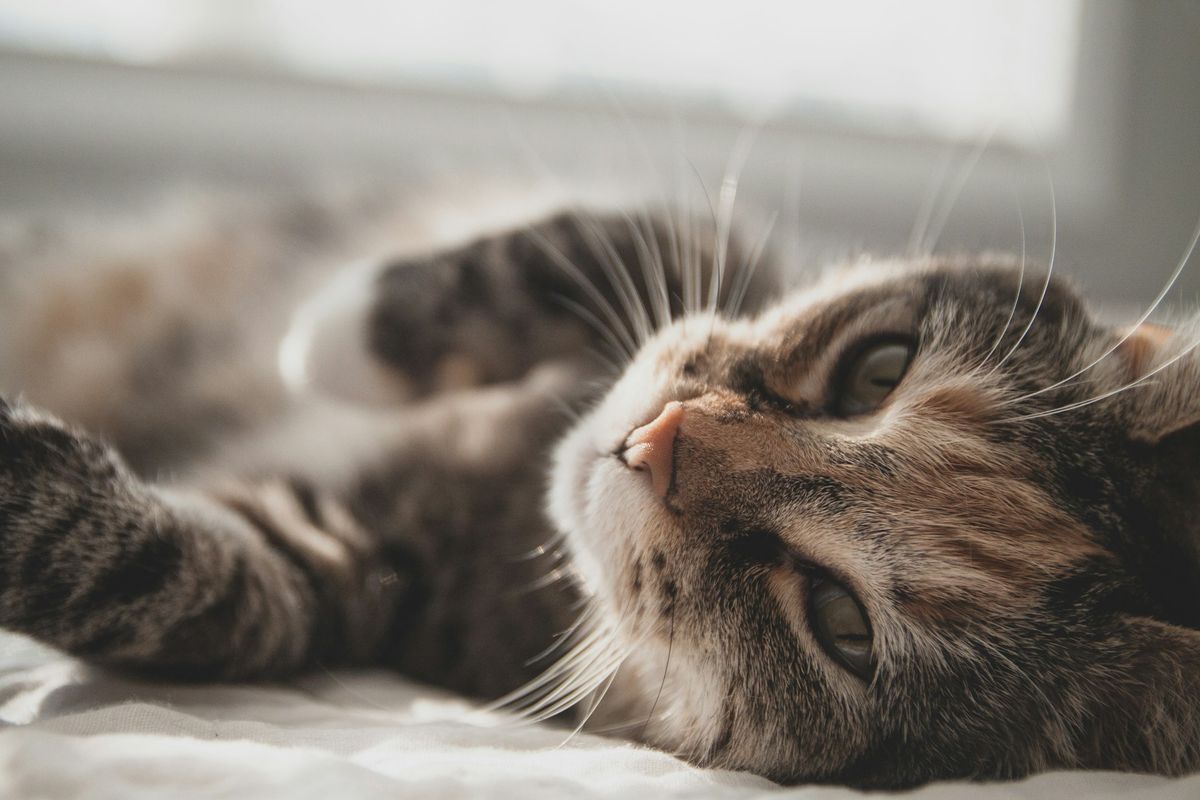
Key takeaway: Yes, many cats can reach lasting remission from Feline Infectious Peritonitis (FIP) when treatment starts early and the full antiviral course is completed. FIP was once considered fatal, but since 2019 more than 100,000 cats have been treated with GS-441524, and the outlook is better than it has ever been. Recovery is a journey of about 84 days, and it works best with your veterinarian guiding each step.
If you are a Pawrent in Malaysia who just heard the word "FIP" from your vet, take a breath. You are not the first to face this, and your cat's odds today are stronger than they were even a few years ago. This guide walks you through what recovery really looks like.
What is FIP, and why did it used to be so feared?
FIP is a disease caused by a mutated form of feline coronavirus that turns aggressive inside the body. For decades it was almost always fatal, which is why the diagnosis still frightens so many families.
The picture changed with the antiviral GS-441524. This medicine targets the virus directly, and it has given tens of thousands of cats a real path to recovery.
So when your vet mentions this feline disease FIP, know that the conversation today is about treatment and remission, not just comfort care.
Can a cat fully recover from FIP?
Yes. Many cats reach full clinical remission from FIP and go on to live normal, happy lives after completing antiviral treatment. Remission means the virus is controlled and symptoms are gone, and it is the goal every Pawrent works toward.
Recovery is not instant. It takes a consistent daily protocol, usually 84 days (12 weeks), plus a monitoring period afterward.
We avoid the word "cure" because medicine speaks in terms of remission and success rates. But for most families, a cat that finishes treatment and stays symptom-free is living the recovery they hoped for.
What are the odds? Understanding FIP prognosis
The general GS-441524 success rate is 92%, reported in a UC Davis clinical trial. That figure is the reason FIP prognosis has shifted from hopeless to hopeful.
There is also a dual-antiviral field study by Li and Cheah (2025) that reported 78.3% remission using GS-441524 together with EIDD-1931. These are two different protocols and two different numbers, so we never mix them.
Your own cat's outcome depends on how early you start, which form of FIP is present, and how closely the protocol is followed. Your veterinarian is the best person to estimate your cat's individual chances.
Does the form of FIP change the recovery outlook?
Yes. FIP has four forms, and the form affects both the treatment route and the recovery timeline. Knowing the form your cat has helps you plan realistically.
The four forms of FIP are:
- Wet (effusive) FIP: fluid builds up in the belly or chest.
- Dry (non-effusive) FIP: inflammation forms in the organs without much fluid.
- Ocular FIP: the eyes are affected, with cloudiness or colour change.
- Neurological FIP: the brain and spinal cord are involved, causing wobbliness or seizures.
Neurological and ocular FIP are two separate forms, not one combined category. They often need a higher dose because the medicine has to reach the eyes and the nervous system.
What treatment options does BasmiFIP offer?
BasmiFIP is built around GS-441524, the antiviral with the strongest FIP track record. The line includes an injectable, an oral EIDD-1931 capsule, and a dual antiviral capsule, so the plan can match your cat's form and stage.
Here is how the core options compare:
| Product | Key ingredient | Best for | Dosing basics |
|---|---|---|---|
| GS-441524 injectable | GS-441524, 40 mg/ml | All forms, including ocular and neurological | Daily injection, 7 days a week, 84-day protocol |
| EIDD-1931 oral capsules | EIDD-1931, 15 mg | Wet and dry FIP only | 1 capsule every 12 hours per 2.5 kg |
| Dual Antiviral capsules | GS-441524 + EIDD-1931 | Stable cats, after about 30 days of injections | 1 capsule per day, dose by weight |
GS-441524 injectable dosing is set by the form of FIP: 6 mg/kg for wet, 8 mg/kg for dry, 10 mg/kg for ocular, and 10 mg/kg for neurological. Your veterinarian confirms the exact dose for your cat's weight.
EIDD-1931 oral capsules are for wet and dry FIP only. They are not recommended for ocular or neurological FIP, or for cats that are not eating and defecating normally.
Which treatment route is right for my cat?
The right route depends on the form of FIP and whether your cat is stable and eating. As a general guide, cats without eye or neurological signs have more flexible options, while cats with those signs start with injections.
Here is the simple logic your veterinarian follows:
- Wet or dry FIP, no ocular or neuro signs: treatment may start with EIDD-1931 for 30 days. If symptoms persist, the course can be extended. If they continue past 60 days, the plan may switch to GS-441524 at 10 mg/kg.
- Ocular or neurological FIP, or a cat not eating and pooping normally: treatment starts with GS-441524 injections for 30 days. Once the cat is stable, the plan may switch to the GS-441524 dual antiviral capsule.
The dual antiviral capsule is used after about 30 days of injections or once your cat is stable. It is not used during ocular or neurological symptoms, during vomiting or diarrhea, or for cats under 1 year with wet FIP.
One important safety note: EIDD-1931 is potentially teratogenic. It must never be given to pregnant, nursing, or breeding cats. Talk to your vet about safe options if this applies to your household.
How long does FIP treatment take in Malaysia?
The standard FIP protocol is 84 days, which is 12 weeks of daily treatment. This length is the same in Malaysia as everywhere else, because it is based on how long the antiviral needs to fully suppress the virus.
Many cats look dramatically better within the first two to four weeks. That early improvement is encouraging, but stopping early is one of the most common reasons FIP comes back.
After the 84 days, most cats go through an observation period of about 12 more weeks. Your veterinarian watches bloodwork and symptoms to confirm the remission is holding.
What does a typical FIP recovery journey look like?
A typical recovery journey moves from crisis to stability to confirmation, over roughly six months from start to cleared observation. Knowing the stages helps you stay steady on the hard days.
- Diagnosis and start: your vet confirms the form of FIP and starts the antiviral protocol.
- Early response (weeks 1 to 4): appetite returns, fever drops, and fluid often begins to clear.
- Steady treatment (weeks 5 to 12): daily dosing continues, weight climbs, and energy improves.
- Observation (after day 84): treatment stops, and your vet monitors for any relapse.
- Remission confirmed: if your cat stays symptom-free through observation, recovery is considered lasting.
Through all of this, consistency is everything. A single skipped day is not a disaster, but a pattern of missed doses can lower the treatment outcome.
Can supportive nutraceuticals help during recovery?
Supportive nutraceuticals can help protect organs during a long treatment, but they do not treat FIP and are never antivirals. They work alongside veterinary-guided antiviral therapy, not in place of it.
BasmiFIP's RX Sciences range includes:
- LiverRx: contains SAMe, Silybin A+B (milk thistle), Vitamin E, and Vitamin C to support liver health.
- KidneyRx: contains Omega-3, L-Carnitine, Cranberry extract, and more to support kidney health.
Think of these as adjunct support that helps your cat's organs cope while the antiviral does the real work against the virus. Ask your veterinarian whether they fit your cat's plan.
What should Malaysian Pawrents avoid during treatment?
During FIP treatment, avoid a few things that can interfere with the antiviral or stress the immune system. These are simple to manage once you know them.
During the FIP protocol, avoid:
- Fluoroquinolone antibiotics
- Spot-on flea medications
- Lysine supplements
- Immune boosters
Always tell your veterinarian about every product and medicine your cat is taking. That way the whole plan stays safe and works together.
FAQ
Is FIP always fatal?
No. FIP was once considered fatal, but antiviral treatment with GS-441524 has changed that, with a 92% success rate reported in a UC Davis trial. Early diagnosis and a complete 84-day course give your cat the best chance at remission.
How much does FIP treatment cost in Malaysia?
Cost varies by your cat's weight, the form of FIP, and the treatment route your veterinarian chooses. BasmiFIP is affordability-aware and works with many families across Southeast Asia, so speak with the team and your vet to build a plan that fits your budget without cutting corners on safety.
Can FIP come back after treatment?
Relapse is possible, which is why the full 84-day protocol and the follow-up observation period matter so much. Most relapses happen when treatment is stopped too early, so finishing the course and monitoring with your veterinarian protects the recovery.
Can I use oral capsules for ocular or neurological FIP?
No. EIDD-1931 oral capsules are for wet and dry FIP only, not for ocular or neurological forms. Those forms usually start with GS-441524 injections at 10 mg/kg, because the medicine needs to reach the eyes and nervous system.
Are supportive supplements enough to treat FIP on their own?
No. LiverRx and KidneyRx are supportive nutraceuticals that help protect organs, but they are not antivirals and do not treat FIP. They are used alongside a veterinary-guided antiviral protocol, never instead of one.
Your cat's recovery journey does not have to be walked alone, and there is a clear path forward that starts with the right diagnosis. To understand your options and next steps, you can explore FIP treatment support with the BasmiFIP team and then talk them through with your own veterinarian. Together you can choose the safest plan for your cat.