Jaundice — or “yellowing” of the skin, eyes, ears, or gums — is one of the clearest signs that something serious is affecting a cat’s liver or red blood cells. In Malaysia, many cat parents first notice jaundice when their cat suddenly looks pale-yellow, becomes weak, or stops eating.
Jaundice is not a disease, but a warning sign. It means the body is struggling, and immediate veterinary attention is needed.
This BasmiFIP Malaysia guide explains everything you need to know — from symptoms and causes to diagnosis, treatment, and supportive care using LiverRx™.
👉 Read more: The Importance of Using Liver Support During FIP Treatment in Cats
What Is Jaundice in Cats?
Jaundice (icterus) happens when the body accumulates too much bilirubin — a yellow pigment produced when red blood cells break down. The liver normally processes bilirubin, but when the liver is inflamed, damaged, or blocked, bilirubin builds up and causes yellow discoloration.
Jaundice in cats is commonly linked to:
Liver inflammation
Gallbladder or bile duct problems
Rapid destruction of red blood cells
Viral diseases like FIP
👉 Read more: Understanding FIP in Cats and How to Manage It
Because jaundice is so visible, it often signals that a cat needs urgent medical care.
Symptoms of Jaundice in Cats
You may notice:
Yellow gums, inner ears, eyes, or skin
Loss of appetite
Sudden weight loss
Weakness or lethargy
Vomiting or diarrhea
Fever
Abdominal discomfort
Increased thirst or urination
Hiding or low activity
Even mild yellowing should be treated seriously.
Causes of Jaundice in Cats
Veterinarians group jaundice into three main types:
1. Prehepatic (before the liver)
Caused by rapid destruction of red blood cells (hemolysis). Examples:
Immune-mediated hemolytic anemia
Blood parasites
Toxin ingestion (onions, zinc, certain meds)
2. Hepatic (inside the liver)
Occurs when the liver is inflamed or damaged. Causes include:
Hepatitis
Fatty liver disease (hepatic lipidosis)
FIP-related liver inflammation
Liver cancer
Toxins or chemicals
3. Post-hepatic (after the liver)
Happens when bile cannot flow normally. Causes include:
Gallbladder inflammation
Gallstones
Tumors blocking bile ducts
Pancreatitis
Identifying the cause is key to successful treatment.
How Veterinarians Diagnose Jaundice in Cats
To diagnose the underlying problem, vets commonly perform:
Physical examination
Checking gum color, eye membranes, hydration, abdominal sensitivity, and temperature.
Bloodwork
To check:
Bilirubin
Liver enzymes
Red blood cell count
Infection markers
Ultrasound or imaging
To evaluate:
Liver size and texture
Gallbladder condition
Bile ducts
Pancreas
Additional tests
Based on symptoms:
FIP tests
Toxin screens
Coagulation panel
Liver biopsy (when safe)
Treatment of Jaundice in Cats
Treatment depends on the underlying cause. Common approaches include:
1. IV Fluids
Supports liver function, hydration, and circulation.
2. Medications
Such as:
Antibiotics (for infections)
Steroids (for immune-related hemolysis)
Appetite stimulants
Anti-nausea meds
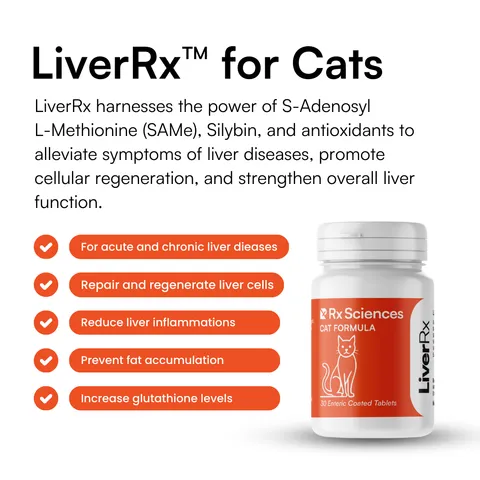
Liver-protecting supplements such as LiverRx™
Blood boosters
3. Nutritional support
Especially for cats that are not eating:
Assisted feeding
High-calorie diets
Feeding tubes for severe fatty liver disease
4. Surgery
For cats with:
Blocked bile ducts
Gallstones
Tumors
5. FIP-related jaundice
If jaundice is caused by FIP, antiviral treatment (GS-441524) is required.
Recovery and Management
Recovery depends on how early treatment starts. Many Malaysian cat parents using proper medical care plus supportive supplements report good improvements.
Cats may benefit from:
A liver-friendly diet
Hydration support
Reduced stress
Regular bloodwork
Supplements to help liver repair
Supportive Supplement Recommendation: LiverRx™ (RX Sciences)
To support recovery during jaundice, many pet owners and vets use LiverRx™, a liver-support supplement designed for cats and dogs experiencing liver stress.
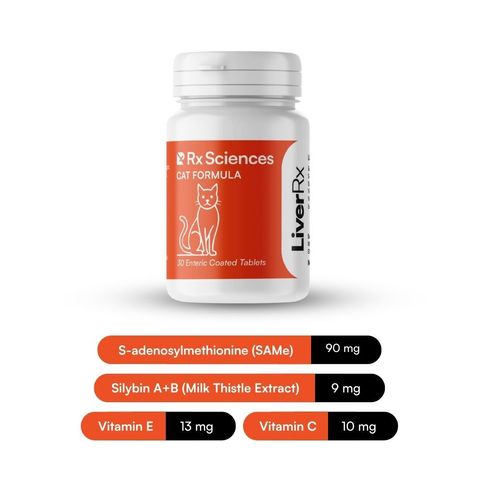
What LiverRx™ Contains:
SAMe (S-adenosylmethionine)
Silybin (Milk Thistle Extract)
Vitamin E
Vitamin C
Benefits:
Supports liver detox
Provides antioxidant protection
Helps liver enzymes stabilize
Aids liver cell regeneration
Strengthens immune response
Prevention of Jaundice in Cats
You can lower your cat’s risk by:
Avoiding toxic foods or chemicals
Maintaining a healthy weight
Ensuring good nutrition
Preventing infections
Scheduling regular vet checkups
Monitoring early signs of illness
FAQs
Is jaundice in cats an emergency?
Yes. It always requires fast veterinary attention.
Can cats recover from jaundice?
Many do, especially when treated early and supported with liver care.
Is jaundice related to FIP?
Yes, liver inflammation from FIP often causes jaundice.
Is LiverRx™ safe for cats with jaundice?
Yes — it is commonly used for liver support. Always check with your vet.
How can I check for jaundice at home?
Look at the gums, eyes, and inner ears under good light. Yellow tint suggests jaundice.